- Insights
- 2025
- Who owns the yield map: data rights in agri-science
Insights · Agri-science
Who owns the yield map: data rights in agri-science
A seed and trait position generates 2.3 million field observations a season on land it does not own. Contracts written before 2023 were silent on who owns them. This note records what the rewrite cost and what it changed.
Key points
A dataset without a documented lawful basis cannot be transferred, so it cannot be valued.
Removing withdrawn data means retraining a model, not filtering the rows it already learned.
Field data is about land and about people, and the second fact sets the limit on its use.
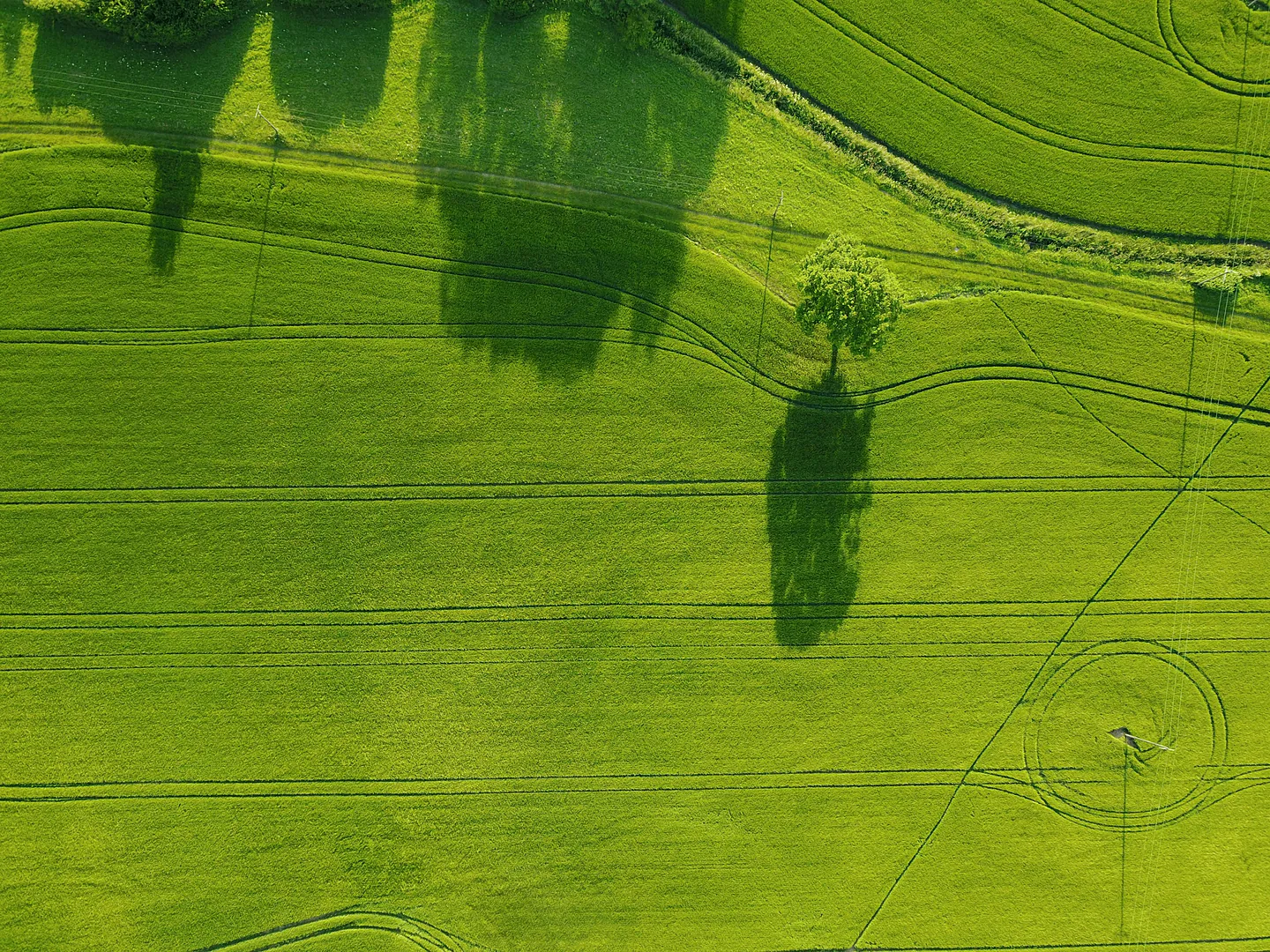
A seed and trait position held through the Brazilian entity generates about 2.3 million field observations in a season: planting dates, plant counts, soil readings, application records and harvest weights, collected across roughly 4,100 grower holdings. The data is produced on land the portfolio company does not own, by equipment it does own, under agreements written before anyone put the question. The third principle of the Charter requires a documented origin and a lawful basis for every dataset. Most of this one had neither.
The Information and Data division reviewed the agreements in 2024 during diligence on a follow-on investment. Contracts signed before 2023 were silent on ownership of the resulting data and silent on the uses to which it could be put. Silence is not consent, and a dataset without a lawful basis is not an asset that can be carried at value. The follow-on of US$19 million was made conditional on the agreements being rewritten before any further use of the data was permitted.
Rewriting 4,100 agreements took 14 months and was done at the point of the annual seed order, where the grower was already signing something. The new agreement grants the company a licence rather than an assignment. The grower keeps ownership of observations taken on their own land. The licence permits aggregation and permits agronomic research. It does not permit resale, it does not permit transfer to a third party, and it ends when the commercial relationship ends.
Six per cent of growers declined the licence. Their observations were removed from the working sets and from the models trained on them, which meant retraining rather than filtering, because a model carries what it was trained on whether or not the rows are still present. That retraining cost about US$240,000 and four months of delay. It is the price of having asked the question late, and it falls to zero for every agreement signed after the rewrite.
The fourth principle limits inference about individuals to what a mandate requires. An agronomic dataset is about fields, but every field has a farmer, and a yield series is a fair proxy for the financial condition of a family business. The division holds field-identifiable data inside the country of origin, releases only aggregated series to the group, and does not permit the credit teams to consult agronomic data when pricing a facility to the same grower.
The commercial consequence is the part an acquirer will price. A buyer testing this position will ask what the data permits, and the answer is now a document rather than an argument. The judgement of the division is that a licensed, documented dataset which respects an opt-out is worth more than an undocumented set of twice the size, because the second cannot be transferred with the company. That view has not yet been tested by a sale. In time it will be.
Published 2025-10-14 by the Information & Data division. Research is prepared for eligible counterparties and does not constitute advice.
More on the sector